
Plans & Coverage
Long-Term Care Planning
Medicare and Medicare Advantage generally don't pay for long-term custodial care — help with daily activities like bathing and dressing, assisted living, or an extended nursing-home stay. That matters more than most people realize, because the federal government puts the odds of needing some kind of long-term care after 65 at almost 70%, and the bills are large enough to undo a lifetime of saving. Below are the actual figures for Utah and Colorado, the actual odds, and the ways families plan around them.
chance someone turning 65 today will need some type of long-term care
ACL / HHS
a year for a private nursing home room in Utah — $139,795 in Colorado
Genworth/CareScout, 2024
will need that care for longer than five years
ACL / HHS
of long-term custodial care paid by Original Medicare or Medicare Advantage
Medicare.gov
What long-term care costs in Utah
Annual median costs. Utah's costs came in roughly on par with national medians. Year-over-year change in the right column shows how fast this is moving.
| Type of care | Annual median cost | Change vs. prior year |
|---|---|---|
| Homemaker services | $82,368 | +6% |
| Home health aide | $86,944 | +9% |
| Adult day care | $45,500 | — |
| Assisted living community | $56,220 | +13% |
| Nursing home — semi-private room | $100,375 | +10% |
| Nursing home — private room | $127,750 | +5% |
Source: Genworth & CareScout Cost of Care Survey, 2024 (surveyed July–December 2024)
What long-term care costs in Colorado
Annual median costs. Colorado runs above national medians — its home-care rates are among the ten highest in the country.
| Type of care | Annual median cost | Change vs. prior year |
|---|---|---|
| Homemaker services | $91,520 | +14% |
| Home health aide | $96,096 | +11% |
| Adult day care | $23,400 | — |
| Assisted living community | $70,521 | +16% |
| Nursing home — semi-private room | $120,450 | +6% |
| Nursing home — private room | $139,795 | +12% |
Source: Genworth & CareScout Cost of Care Survey, 2024 (surveyed July–December 2024)
How likely you are to need care, and for how long
Two federal figures get quoted here and they measure different things. The ~70% is the chance of needing ANY long-term care. The 56% is the narrower slice with a "significant" need — help with at least two activities of daily living, or supervision for severe cognitive impairment, expected to last 90 days or more. Both are worth knowing; neither contradicts the other.
| Measure | Figure | Source |
|---|---|---|
| Chance of needing some type of long-term care after 65 | ~70% | ACL |
| Will need it for longer than 5 years | 20% | ACL |
| May never need long-term care at all | 1 in 3 | ACL |
| Will have a significant care need (2+ daily activities, 90+ days) | 56% | ASPE 2022 |
| Average duration of significant need — women | 3.6 years | ASPE 2022 |
| Average duration of significant need — men | 2.5 years | ASPE 2022 |
| Women who will need at least 5 years of care | 26% | ASPE 2022 |
| Average projected lifetime paid care cost, per person | $120,900 | ASPE 2022 |
| Average value of unpaid care from family and friends | $204,000 | ASPE 2022 |
Source: Administration for Community Living (ACL/HHS) and HHS ASPE, Risks and Financing, 2022
Read the tables before you read anything else
In Utah, a private nursing home room has a median cost of $127,750 a year and assisted living $56,220; in Colorado those figures are $139,795 and $70,521. A home health aide — the option most people actually want — runs $86,944 a year in Utah and $96,096 in Colorado. Those are median costs from the 2024 Genworth and CareScout Cost of Care Survey, and nearly every category rose by high single digits or more in a single year. Three years of care at Colorado's private-room rate is over $400,000.
Why Medicare isn't the answer
Original Medicare covers only short, skilled-care stays after a qualifying hospitalization — not the ongoing custodial care most people eventually need, and Medicare Advantage doesn't change that. Medicaid does pay for long-term care, but only after you've spent down most of your assets to qualify. Long-term care planning fills the gap in between, so you keep control of your savings and your choices instead of impoverishing yourself into eligibility.
The odds are not a coin flip
The federal Administration for Community Living puts the chance that someone turning 65 today needs some type of long-term care at almost 70%, and 20% will need it for longer than five years. A narrower federal measure — a significant need, meaning help with at least two daily activities for 90 days or more — still lands at 56%, with an average duration of 3.6 years for women and 2.5 for men. Whichever measure you use, this is not a rare catastrophe. It's a common one.
Family absorbs most of it, and that has a cost too
The same federal research values the unpaid care that family and friends provide at about $204,000 per person, against roughly $120,900 in paid care. That unpaid share is a daughter cutting back to part-time, a spouse who becomes a full-time caregiver at 78. Planning ahead isn't only about protecting money — it's about what you're asking the people around you to absorb.
Your options
Traditional long-term care insurance pays a daily or monthly benefit for care. Hybrid life-with-LTC policies pay a death benefit if you never need care, which answers the 'what if I never use it' objection that stops a lot of people. Certain annuity-based options can help as well. Each fits a different situation and budget, and none of them is right for everybody — we walk through them plainly and tell you when the answer is to do nothing.
Why timing matters
Eligibility and cost are based on your age and health when you apply, so families who look at this in their 50s or early 60s have more options and a better chance of qualifying. Once care is needed, insuring it is generally off the table. That's the whole reason this page leads with numbers instead of a sales pitch — the decision is easier to make while it's still hypothetical.
What's your ZIP code?
We start local — plan availability is set by your county.
How old are you?
This tells us which coverage window you're in.
Which best describes you?
Pick one — you can change this anytime.
How often do you see doctors?
Helps us weigh networks vs. freedom.
Do you take prescriptions?
We match your drugs to the lowest-cost plan.
No cost, no pressure. We do not offer every plan available in your area — for all options visit Medicare.gov or call 1-800-MEDICARE.
Questions, answered
How much does a nursing home cost in Utah?
The 2024 Genworth and CareScout Cost of Care Survey puts Utah's annual median at $100,375 for a semi-private room and $127,750 for a private room. Assisted living runs $56,220 and a home health aide $86,944. Utah's costs are roughly in line with national medians, and most categories rose between 5% and 13% in a single year.
How much does long-term care cost in Colorado?
Colorado runs above national medians. The 2024 survey puts a private nursing home room at $139,795 a year and a semi-private room at $120,450, with assisted living at $70,521 and a home health aide at $96,096. Colorado's homemaker and home health aide rates rank among the ten highest in the country.
Doesn't Medicare cover nursing homes?
Only short, skilled-care stays after a qualifying hospitalization — not long-term custodial care, which is help with everyday activities like bathing, dressing, and eating. Medicare Advantage plans follow the same rule. That ongoing custodial care is precisely the gap long-term care planning exists to fill, and it is the single most common misunderstanding we run into.
What are the odds I'll actually need long-term care?
The federal Administration for Community Living puts it at almost 70% — someone turning 65 today has close to a 7-in-10 chance of needing some type of long-term care service. About 20% will need it for longer than five years, while roughly one in three may never need it at all. A stricter federal measure from HHS ASPE, counting only a "significant" need (help with two or more daily activities for at least 90 days), still comes in at 56%, averaging 3.6 years for women and 2.5 for men. The two figures don't conflict — they're counting different thresholds of care.
What if I buy coverage and never use it?
That's the appeal of hybrid life-with-LTC policies: if you never need care, your beneficiaries receive a death benefit, so the money isn't forfeited. It's the most common objection we hear and there's a legitimate product answer to it. We compare traditional and hybrid approaches side by side.
When should I look at long-term care planning?
Generally in your 50s or early 60s, while you're more likely to qualify and have the widest range of options. Waiting narrows the field, and once care is already needed, insuring it usually isn't possible. If you're past that window, there are still planning steps worth taking — it's worth a conversation either way.
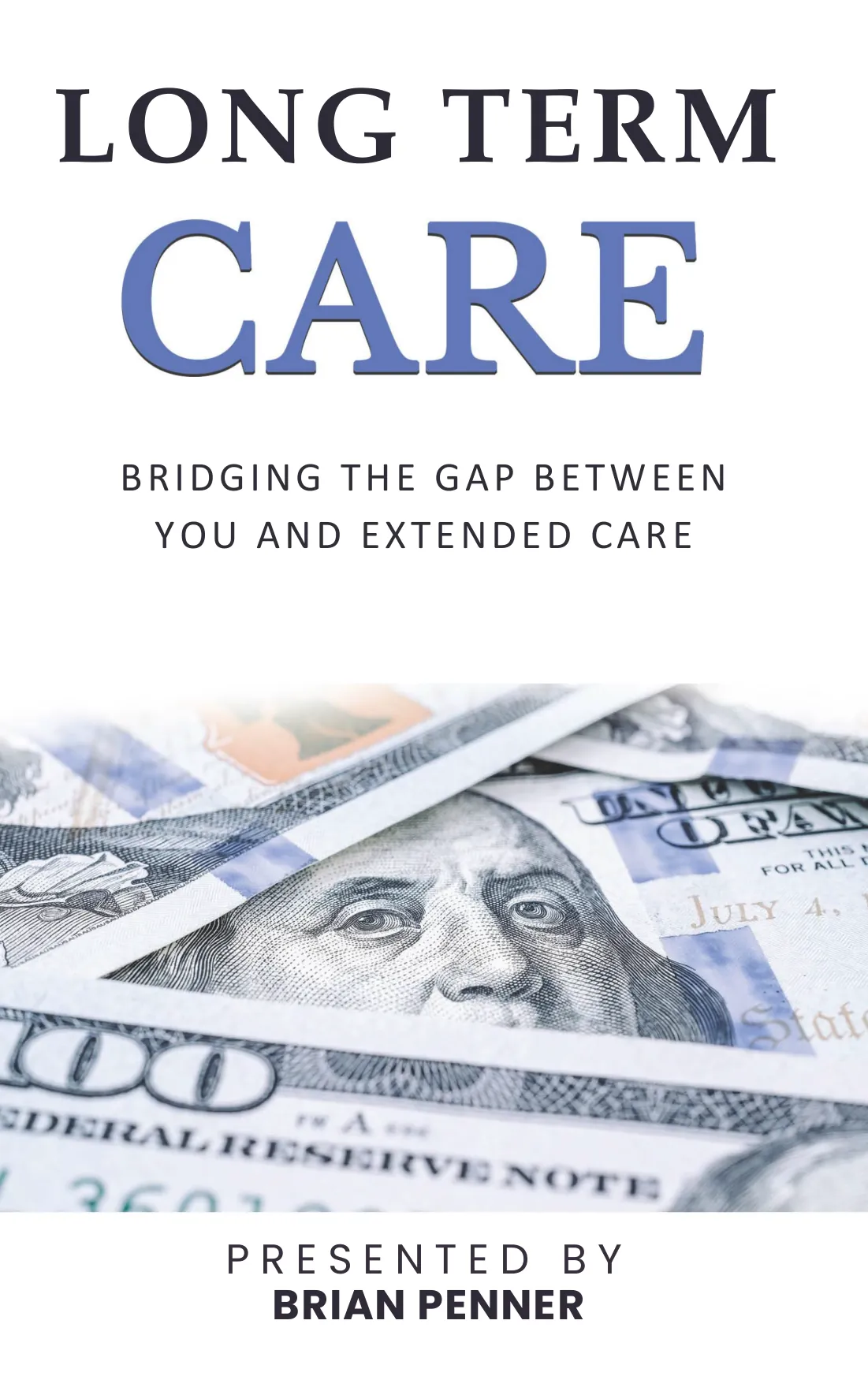
Free guide 📖
Long Term Care: Bridging the Gap Between You and Extended Care
The 81-page book that goes deeper than this page can — what Medicare and Medicaid actually pay for, how families cover the gap, and the questions to ask before you buy anything. Free digital copy, no obligation.
Get the free guide →Where these figures come from
Every number on this page traces to one of these. Check them yourself — costs move every year.
- Administration for Community Living (ACL/HHS) — How Much Care Will You Need? — The ~70% lifetime chance, the 20% who need 5+ years, and the 1 in 3 who never need care
- Genworth & CareScout Cost of Care Survey 2024 — Utah — Utah annual median costs by care type
- Genworth & CareScout Cost of Care Survey 2024 — Colorado — Colorado annual median costs by care type
- HHS ASPE — Long-Term Services and Supports for Older Americans: Risks and Financing (2022) — Lifetime risk, duration, and projected cost of care
- Medicare.gov — Long-term care — What Medicare does and does not cover
- Medicaid.gov — Long Term Services & Supports — How Medicaid pays for long-term care, and the spend-down rules
Official Medicare sources
We point you to the federal sources so you can verify everything. For current-year figures and to compare the plans available in your area:
- Medicare.gov — the official U.S. government site for Medicare costs, coverage, and rules.
- Medicare Plan Compare — the official tool to compare Medicare Advantage and Part D plans by ZIP.
- Social Security (ssa.gov) — enroll in Medicare Parts A & B and check your eligibility.
- CMS.gov — Centers for Medicare & Medicaid Services, which runs the program.
Education and estimates only — confirm current figures on Medicare.gov before enrolling. We do not offer every plan available in your area.
Talk to a local Medicare advisor
Free, no pressure — we compare your options for you.
Last updated . Maintained by the Medicare On Main Data Desk · reviewed by Brian Penner, Independent Medicare advisor (NPN 16493717).